
I’m fascinated by the way early experiences haunt and revisit you, remain present in your life for decades and decades – they can even shape who you ultimately become.
Khaled Hosseini
Having been there recently, I wanted to clarify the BVI entrance fees and procedures. But I can’t, or at least not entirely. To quote or at least paraphrase everyone I asked, the answer is, “It depends.”
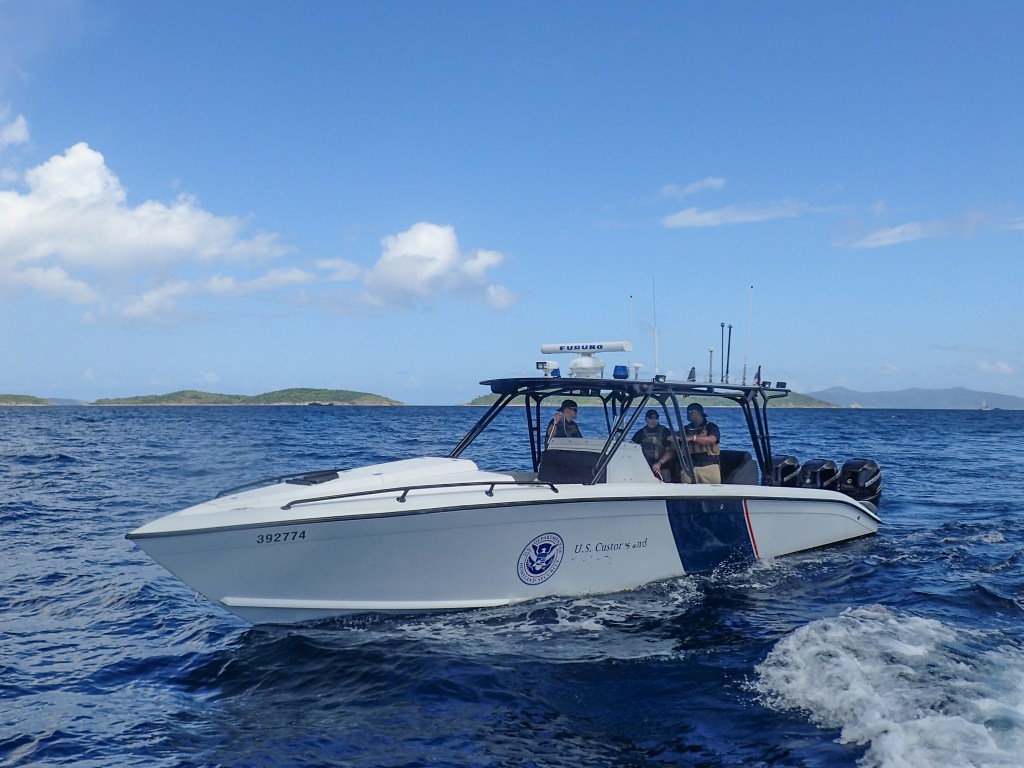
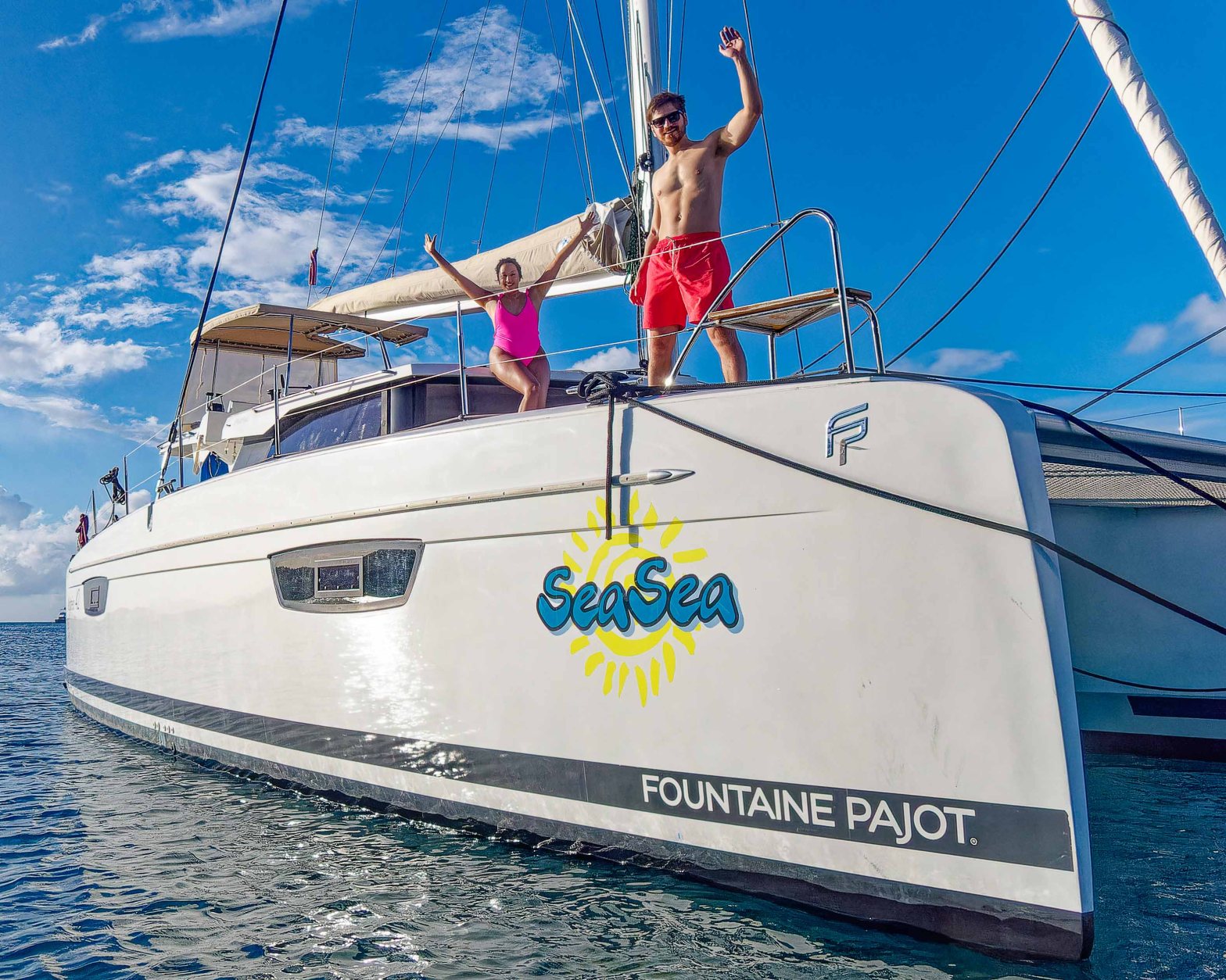
There is a 60-dollar environmental impact fee, a 10-dollar “other port” fee, a 3-dollar forms and publication fee, and a 1-dollar per foot harbor master fee. That is what we paid to enter for six days. Notice that the Customs and immigration officer of the day did not charge us the $ 16-a-day fee mentioned by almost every travel website, including the BVI official site. So it depends. It matters whether the boat is in active charter or being used as a private boat. If you aren’t me and are captaining SeaSea, the vessel is in charter and, I’m guessing, subject to the 16-dollar fee. But don’t quote me.
There is more, an exit fee and that depends, too. If you are on a charter boat or take a public vessel like a ferry, it is $20 per person. If you are on a private vessel, it is $3 a person. How about paying the exit feet upon entrance, which we used to do? Well, you can as long as you leave within three days. It saves a trip back to customs. Longer than three days, it depends. According to the officer I spoke to, the law says if it is over three days, the captain has to go back to customs to pay the exit fee, but she added if the admitting officer is in a good mood and not busy, they might let the 3-day rule slide and let you pay all at once.
How about returning to the USA? No fee. And if all on board hold a US passport, it can all be done on a phone app. Once the customs officials review your documents, you will receive notice that you are either clear to enter or need to show yourself in person. The latter only if they suspect funny business.
This brings me to the nitty gritty: officials thrive on documents; they want boat and people documents. The BVI uses the Sail Clear website,( https://sailclear.com/index ), to keep track of the data. Save time, get a free Sail Clear account, and enter the data beforehand. They will want names, addresses, and passport numbers for all on board, in addition to all the boat data, which Waypoints will provide. You can enter all the tedious people’s data before leaving home. Adding the boat data before leaving St Thomas will be relatively trivial. Don’t do As I did and show up without entering everything beforehand. I confessed to being a clueless American; they had a good laugh and pointed me to a computer on the wall, they won’t do it for you. Once done, the process is quick. They look at the passports and collect the fees. Everyone says cash only, but I saw some credit card signs. Sorry, I didn’t ask.
The US uses a phone app. CBP Roam. Get the App, enter people’s data, and take photos of Passports. Pick your port of entry, hit send, and you should be good. Get the App here.
All those fees add up to about the same as the cost of a ferry ride back and forth between the US and British Virgin Islands. Despite the hassle, for my money, it’s a lot easier to sail out of St. Thomas rather than shlep all gear from plane to taxi , to ferry to another taxi before you even see the boat. Either way you go through customs and the cost is a wash.
Now that you are up to speed on all this British stuff, do you know why the Brits refer to the bathroom, toilet, and restroom as the “loo”? Ha Ha, it is French from the phrase “Regardez l’eau,” which means “look at the water.” The accepted warning once hailed before one heaves the content of a camber pot from the window to the street below.
In my youth I couldn’t figure out what this song has to do with SCUBA diving, still don’t know. Here is a revisited version. Well, that’s enough for this year.






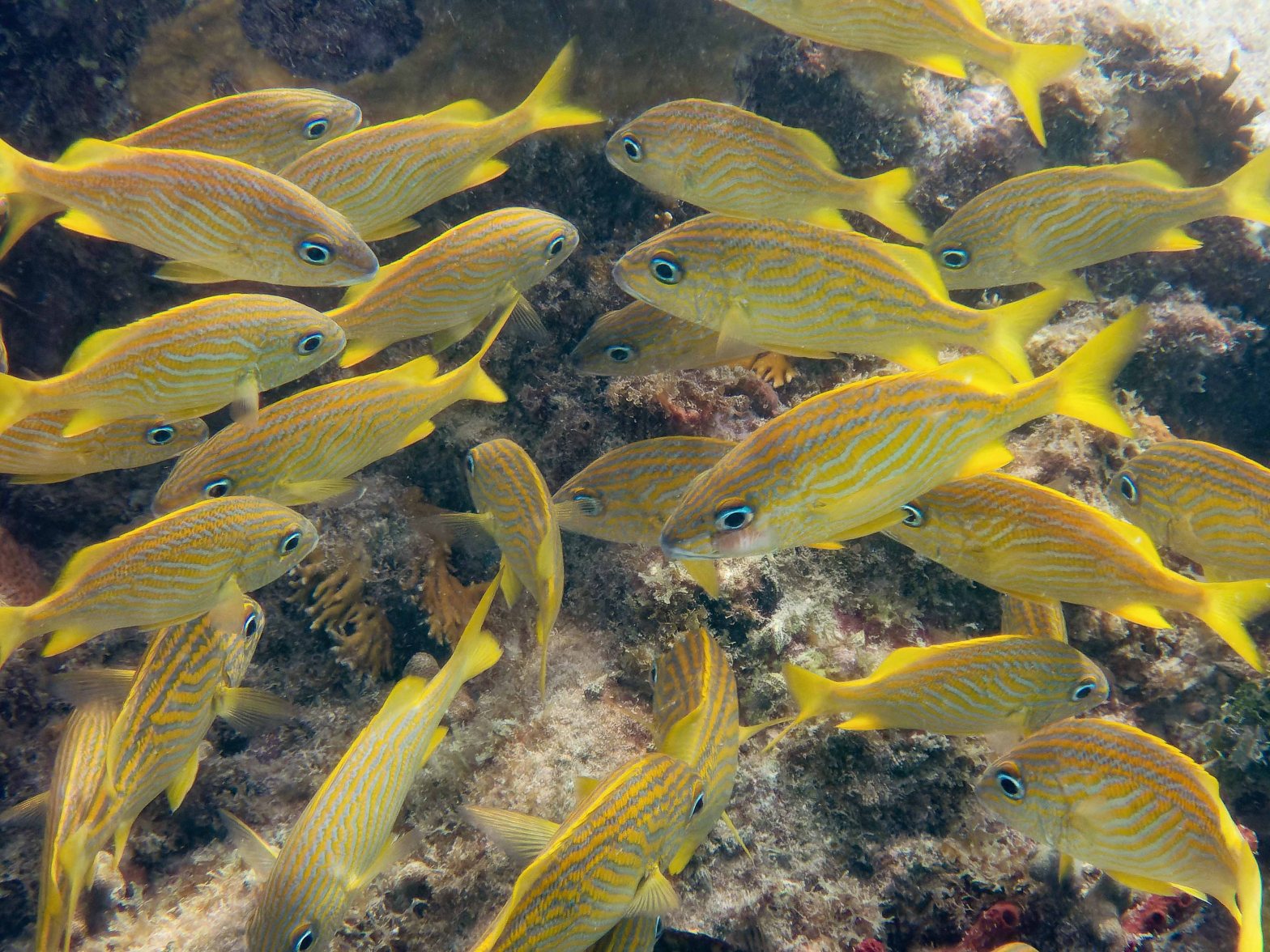


 Sailing Sea Sea